Saturday, November 26, 2011

The importance of Parenting in the nature... nature vs nature!?

(this blog is in substitution for my shark video. i was not there for the shark video so i will blog about the parenting video we saw of other animals!)

The life long debate of nature vs nurture has been in the spot light for centuries. The video seen in class demonstrated that even some animals in the wild (babies) need parenting. It was surprising and very cute to see the parents of the brown bears, penguins, muskox and pandas.

The way the brown bears h
ad to be on a cliff to defend the cubs against the males!

Or to see the penguins wait for the female penguins in hope for food!

Or to see the parents create a circle to protect the young!

Or to see panadas nursing their young!

Parents will always be there. The nurture and the care is really critical for the young!

In nature, we see the effect of nurture.

Trip to the ROM


During our trip, we learned many things from our instructor. She was very knowledgeable and very enthusiastic with her teachings. We learned about dinosaurs, marine life, and about several types of other animals.

The type that intrigued me most was her talk on the coral and marine life. The coral is a very very unique ... creature? The coral is home to over thousands and thousands of marine organisms. However the coral only covers a small percent of the ocean floor.

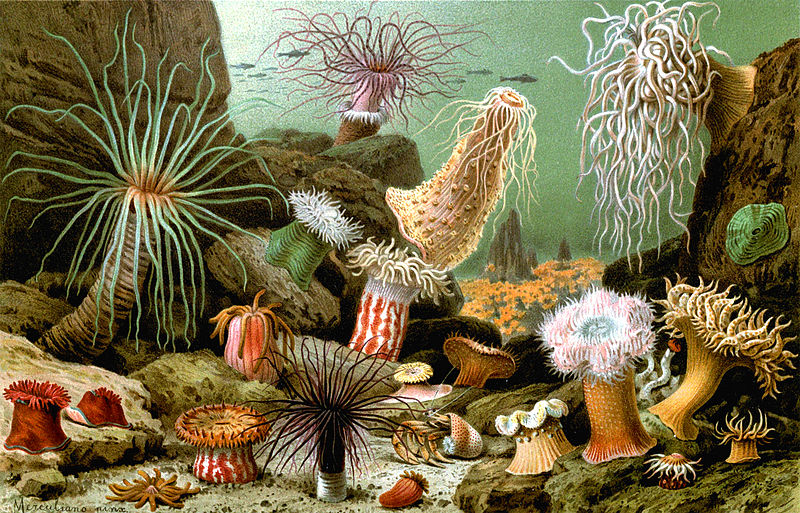
She also mentioned how many "plant" like equivalent live in the coral like the sea anemone. There was this wonderful relationship between them and the clown fish. And there are many more like that within the coral!!!

It was also surprising to know that the sea anemone could move!!! The aquatic life is only a glimpse of how awesome nature can be!

Wednesday, November 9, 2011

Clothespin Lab!!!

who knew that this lab could be so fun. Kevin, Charlie, Mohammed, Peter and I have a lot of fun conducting this lab.

We were expected to fully press a clothes pin as many times as possible for 20 seconds. And we were supposed to repeat this step 6 times, for a total of 7 attempts. And these steps are yet again repeated for the other hand.

Our results show that as time goes on, it is obvious that the subject was getting tired. It was also very suprising that the dominant hand got tired much quicker, but was able to score a higher number for the amount of clicks.

In addition, in both results, there is a sharp rise at the end of the experiment. Our group hypothesizes that as the subject knew that it was the final trial/attempt, there was a psychological effect that influenced him to push harder for a strong finish.